
Leopards of Wilpattu National Park
The Ultimate Guide to Leopard Watching and Photography Tours
Wilpattu National Park, located on the northwest coast of Sri Lanka, is renowned for its incredible biodiversity and stunning landscapes. Among its many natural treasures, the park is particularly famous for its population of leopards (Panthera pardus kotiya), which are a major draw for wildlife enthusiasts and photographers from around the world. This article delves into the fascinating world of the leopards of Wilpattu, explores the intricacies of guided leopard watching, and offers insights into the best leopard photography tours available in the park.
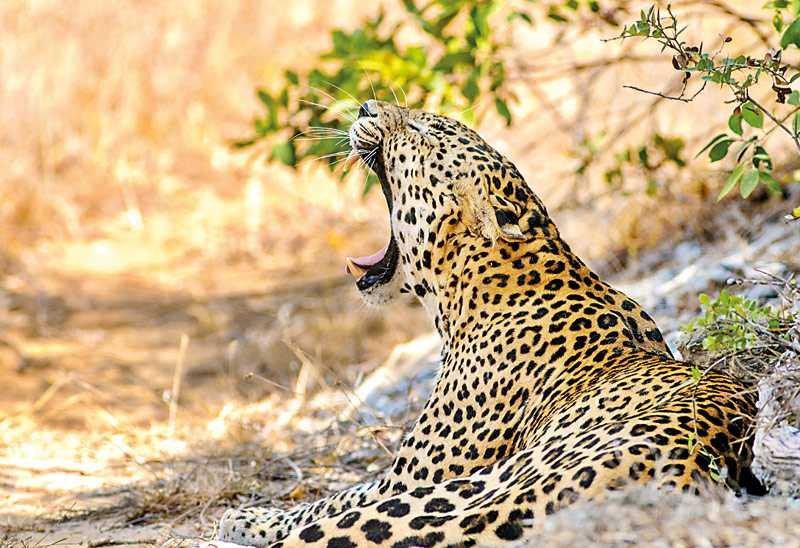
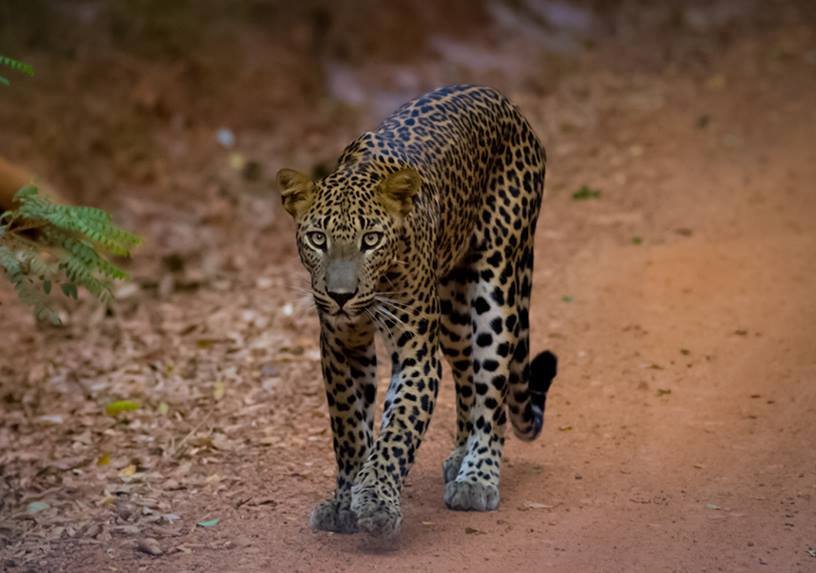
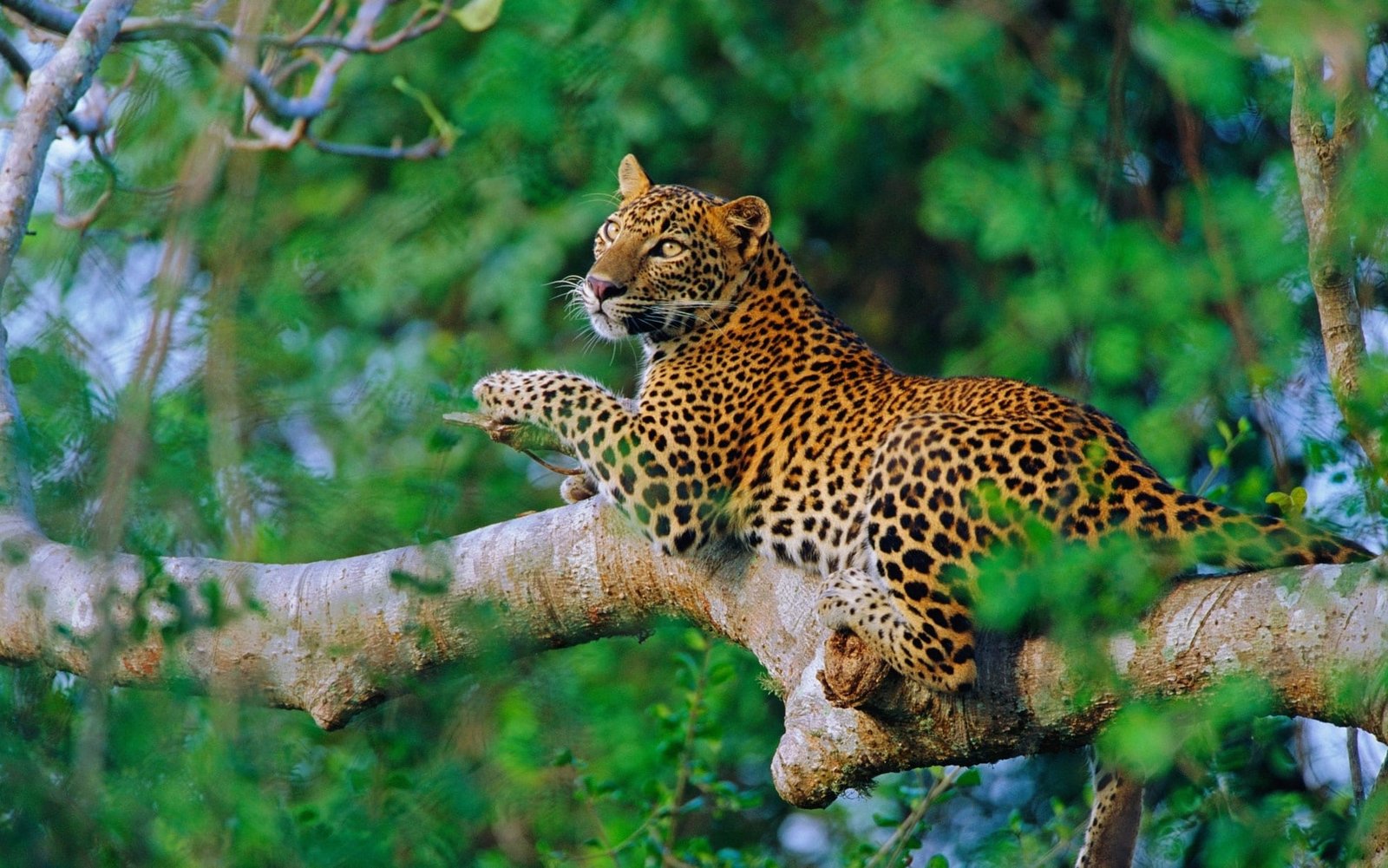
An Overview of the Leopards of Wilpattu
Wilpattu National Park is home to a significant population of leopards, making it one of the best places in Sri Lanka to observe these majestic big cats. The park’s varied terrain, including dense forests, open grasslands, scrublands, and numerous natural lakes, provides an ideal habitat for leopards. These elusive and solitary predators are at the top of the food chain in Wilpattu, preying on a variety of animals such as deer, wild boar, and smaller mammals.
The Importance of Leopards in Wilpattu's Ecosystem
Wilpattu National Park is home to a significant population of leopards, making it one of the best places in Sri Lanka to observe these majestic big cats. The park’s varied terrain, including dense forests, open grasslands, scrublands, and numerous natural lakes, provides an ideal habitat for leopards. These elusive and solitary predators are at the top of the food chain in Wilpattu, preying on a variety of animals such as deer, wild boar, and smaller mammals.
Best Time to See Leopards of Wilpattu
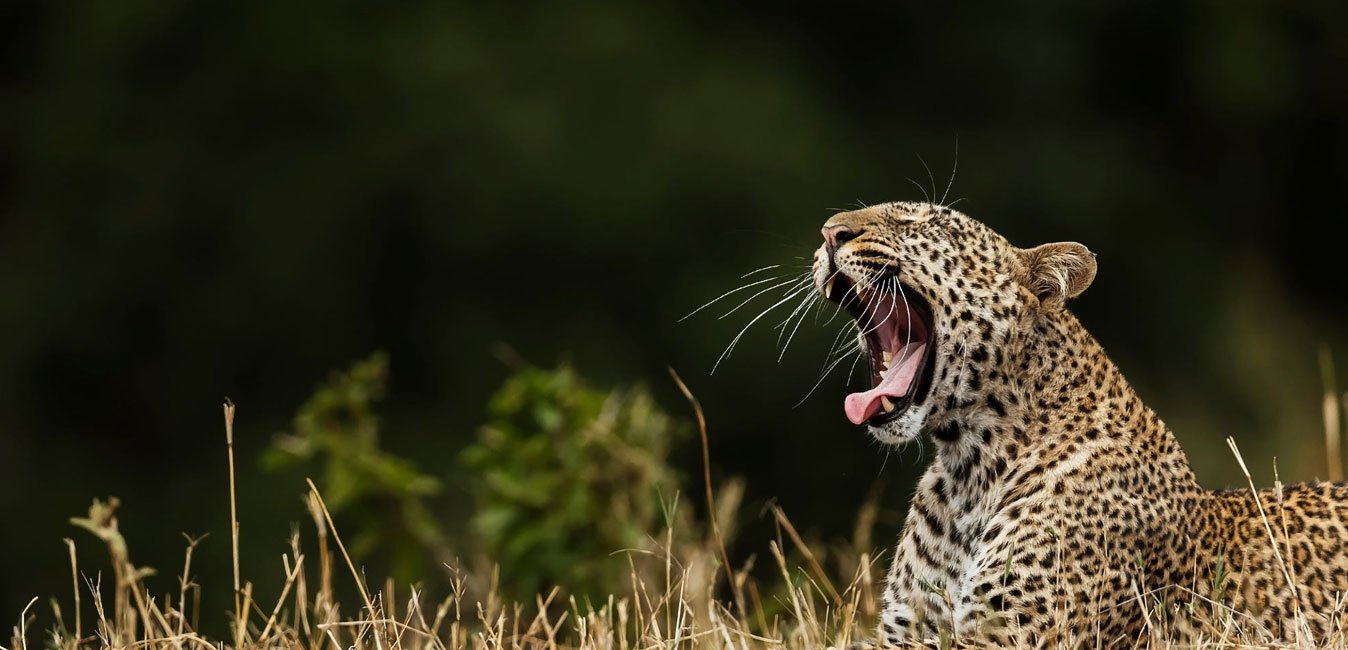
Leopards of Wilpattu can be spotted throughout the year, but the best time for sightings is during the dry season, which typically runs from May to September. During this period, the park’s vegetation is less dense, and animals congregate around water sources, making it easier to spot leopards as they move through their territory in search of prey. Early morning and late afternoon are the prime times for leopard watching, as these are the periods when leopards are most active.
Guided Leopard Watching in Wilpattu
Guided leopard watching in Wilpattu offers visitors the opportunity to observe these magnificent animals in their natural habitat. Experienced guides and naturalists lead these tours, providing valuable insights into leopard behavior and the park’s ecology. Here’s what to expect on a guided leopard watching tour in Wilpattu:
1. Knowledgeable Guides
The guides leading leopard watching tours in Wilpattu are highly knowledgeable about the park and its wildlife. They have an in-depth understanding of leopard behavior, territory, and movements, which significantly enhances the chances of spotting these elusive cats. Guides also educate visitors about the importance of leopards in the ecosystem and the conservation efforts underway to protect them.
2. Safari Vehicles
Leopard watching tours are conducted in specially designed safari vehicles that provide a safe and comfortable way to explore the park. These vehicles are equipped with high seats, offering excellent visibility for spotting wildlife. Some tours also offer private safaris, allowing for a more personalized experience.
3. Ethical Wildlife Viewing
Guided leopard watching tours in Wilpattu adhere to ethical wildlife viewing practices. This means maintaining a respectful distance from the animals, minimizing noise and disturbances, and ensuring that the leopards’ natural behaviors are not disrupted. These practices are crucial for the well-being of the leopards and the overall health of the ecosystem.
Key Locations for Leopard Watching
Maradanmaduwa
Maradanmaduwa is one of the best areas in Wilpattu for leopard sightings. The mix of forest and grassland provides an ideal habitat for leopards, and the open spaces make it easier to spot these elusive cats. This area is particularly popular for leopard photography tours due to its high likelihood of sightings.
Kumbuk Villu
Kumbuk Villu is another hotspot for leopard watching in Wilpattu. The presence of water attracts various prey species, which in turn draws leopards to the area. The scenic beauty of Kumbuk Villu also provides a stunning backdrop for wildlife photography.
Palu Villu
Palu Villu is known for its rich wildlife and is a prime location for spotting leopards. The water body and surrounding vegetation create an ideal environment for leopards to hunt and rest. This area offers excellent opportunities for both leopard watching and photography.
Thalawila Villu
Thalawila Villu is a lesser-known gem for leopard sightings in Wilpattu. The remote and tranquil setting allows for undisturbed observation of leopards and other wildlife. This location is particularly favored by those looking for a more secluded and intimate experience.
Conservation Efforts for the Leopards of Wilpattu
The leopards of Wilpattu are a vital part of the park’s ecosystem, and various conservation efforts are in place to protect these magnificent animals. These efforts include habitat preservation, anti-poaching measures, and research initiatives aimed at understanding leopard behavior and population dynamics. Additionally, the park authorities work closely with local communities to promote awareness and support for leopard conservation.
Responsible Leopard Watching and Photography
Responsible leopard watching and photography are crucial for the well-being of the leopards of Wilpattu and the preservation of their habitat. Here are some guidelines to ensure ethical wildlife viewing:
Always keep a safe and respectful distance from the leopards. This prevents stress and disturbance to the animals and allows them to continue their natural behaviors.
Keep noise levels to a minimum to avoid startling the leopards. This includes speaking softly and avoiding loud movements.
Avoid using flash photography as it can disturb and disorient the leopards. Natural light is preferable for capturing authentic and beautiful images.
Feeding leopards or any other wildlife is strictly prohibited. It can lead to dependency on humans and alter their natural behaviors, posing a threat to their survival.
Adhere to all park regulations and guidelines provided by your guides. These rules are in place to protect both visitors and wildlife.