A complete 2026 guide to UK casino dice games. Compare the best dice casinos, play craps and Sic Bo online, understand dice odds, bonuses, and UKGC safety. read the complete casino dice game UK guide

Wilpattu National Park, located on the northwest coast of Sri Lanka, is a renowned destination for wildlife enthusiasts and, more specifically, a haven for bird watchers. Spanning over 1,300 square kilometers, this park is characterized by its unique “Willus” or natural lakes, which provide critical habitats for a vast array of bird species. For those interested in bird watching in Wilpattu, the park offers an unparalleled experience with its rich avifauna and scenic landscapes.
Bird watching in Wilpattu is a rewarding activity due to the park’s impressive diversity of bird species. Approximately 200 bird species can be found here, including residents, migratory birds, and several endemic species. The varied ecosystems within the park, ranging from dense forests and open grasslands to scrublands and coastal belts, support this rich birdlife, making it a prime location for ornithologists and birding enthusiasts alike.
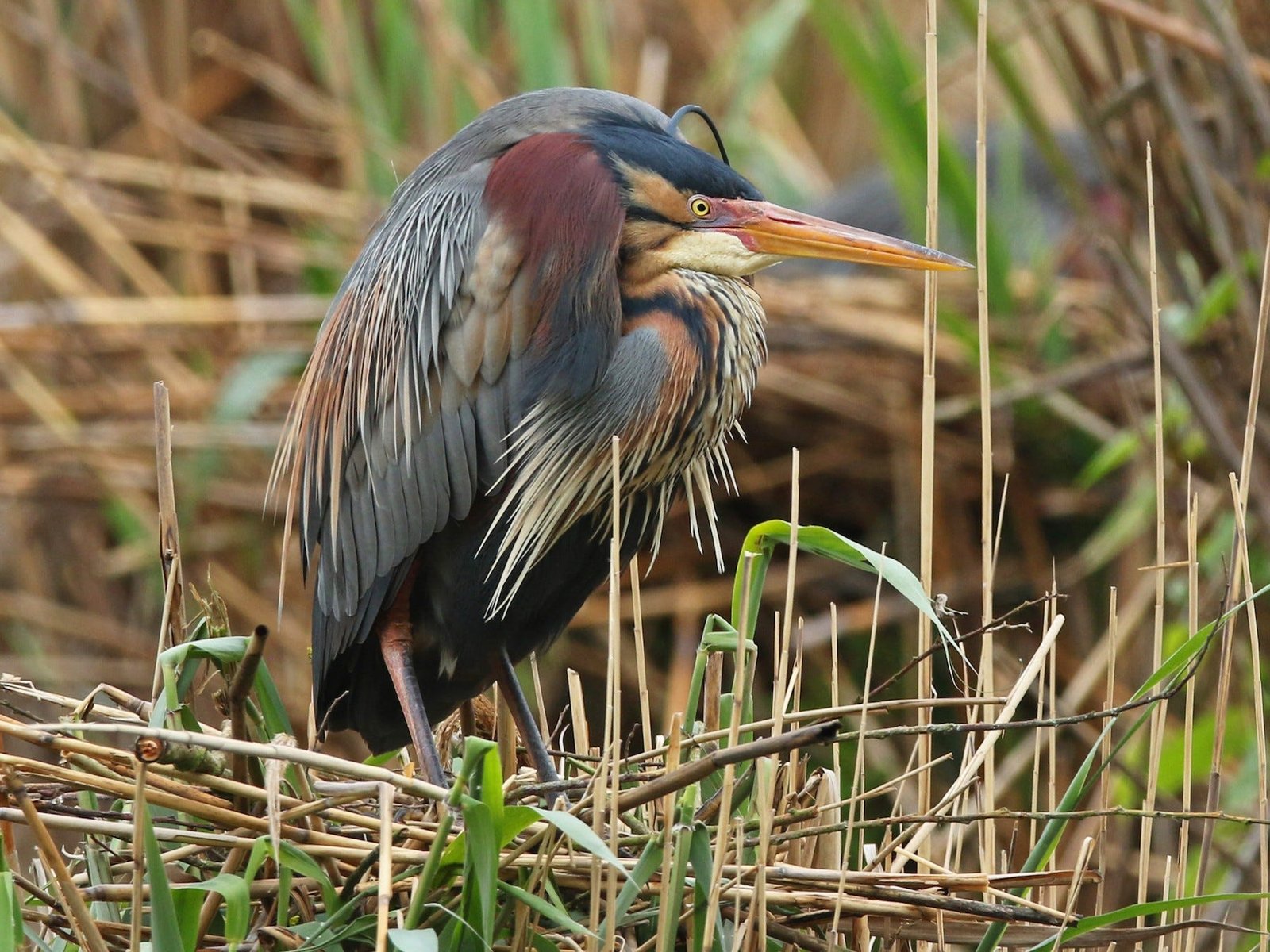
Wetland bird species found in the Wilpattu National Park include the Garganey, Pin tail, Whistling Teal, Spoonbill, White Ibis, Large White Egret, Cattle Egret and Purple Heron. Also, many species of Gulls, Terns, Owls, Kites and Eagles are also lives here. The endemic Sri Lanka Jungle fowl, Little Cormorant and the Painted Stork can also Can be seen.
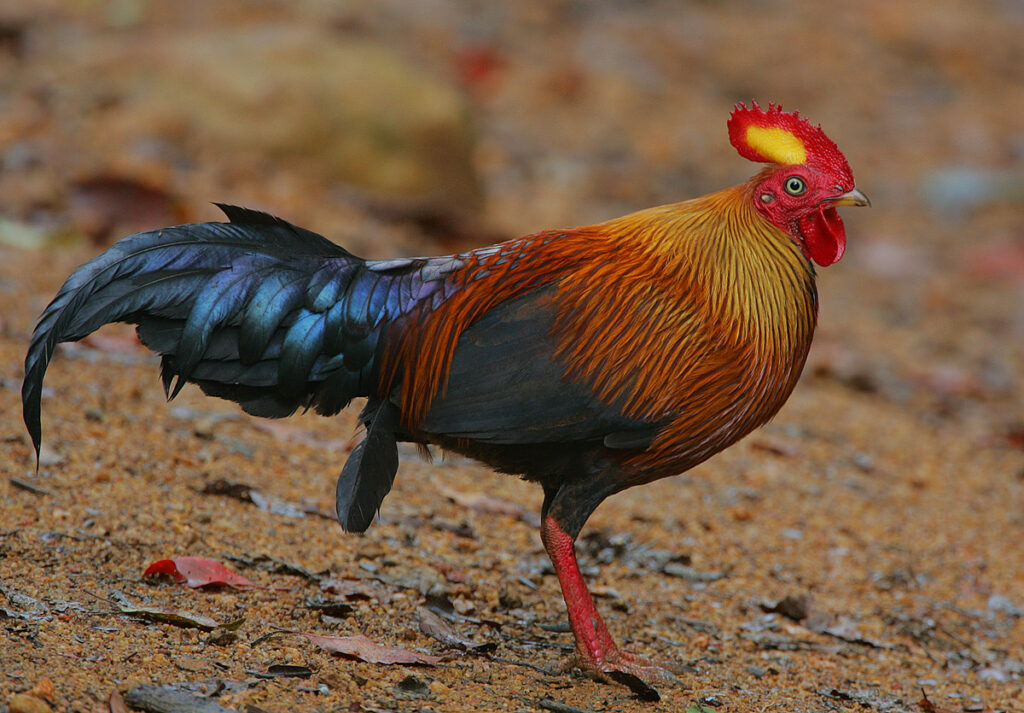
One of the most iconic residents of Wilpattu, the Sri Lanka Junglefowl, is the national bird of Sri Lanka. Male Junglefowls are particularly striking with their vibrant red combs, golden-orange plumage, and long tail feathers, making them a highlight for anyone bird watching in Wilpattu. Females, though less colorful, are equally fascinating.

Endemic to Sri Lanka, the Sri Lanka Grey Hornbill is another bird that bird watchers in Wilpattu can look forward to seeing. This large, grey bird with a distinctive curved beak is commonly found in the park’s forested areas. Its role in seed dispersal is vital for the ecosystem, adding an ecological layer to the bird watching experience in Wilpattu.
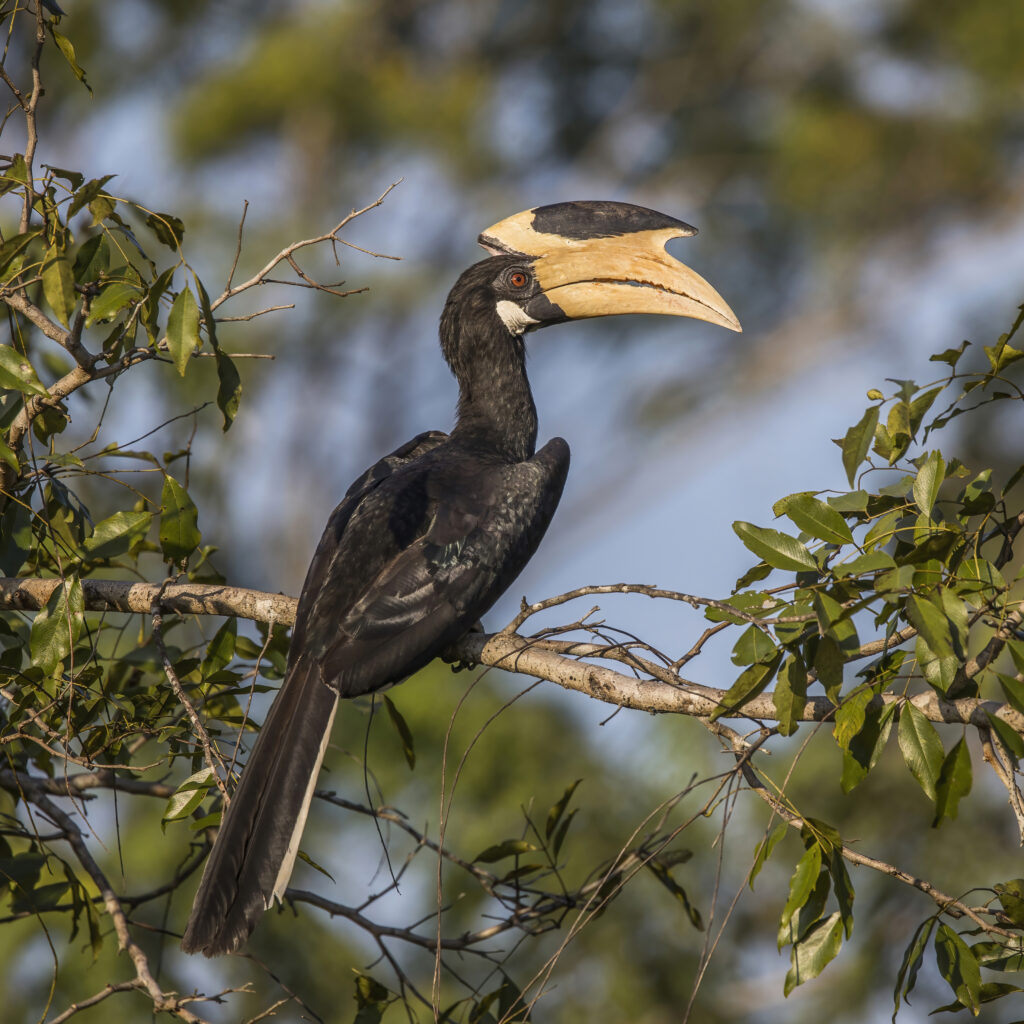
The Malabar Pied Hornbill, with its large bill and casque, is a frequent sight in Wilpattu. Often seen in pairs or small groups, these birds forage for fruits and small animals in the treetops. Their distinctive appearance and behavior make them a favorite among those bird watching in Wilpattu.
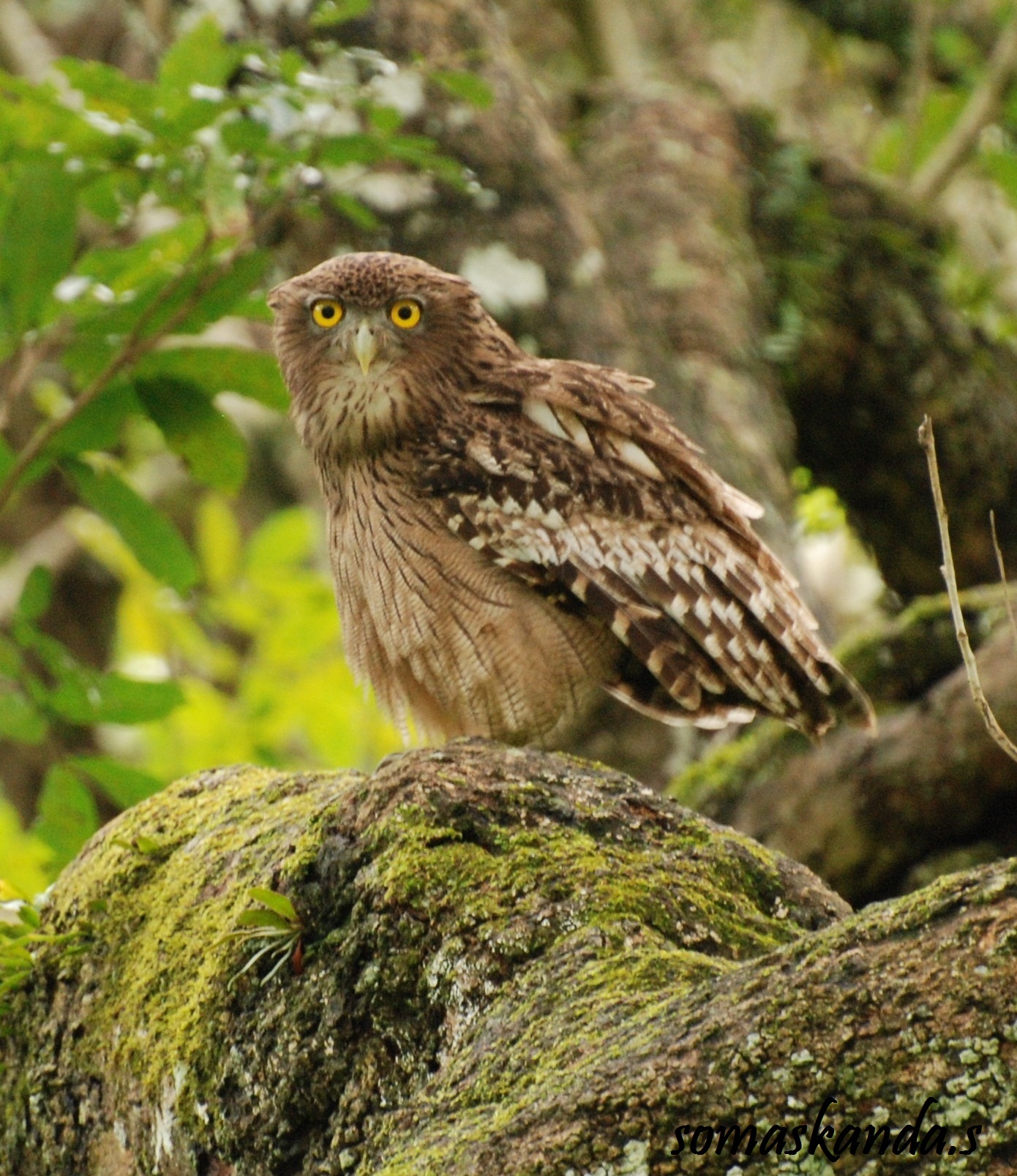
The wetlands of Wilpattu provide an ideal habitat for the Brown Fish Owl. This nocturnal bird of prey is often seen near water bodies, hunting for fish and amphibians. Its deep hooting calls at dusk and dawn are familiar sounds for those who engage in bird watching in Wilpattu.
The numerous natural lakes or "Willus" in Wilpattu are prime locations for bird watching in Wilpattu. These wetlands attract a variety of waterfowl, waders, and migratory birds. Notable species include the Lesser Whistling Duck, Painted Stork, and various kingfishers.
This area, with its mix of forest and grassland, provides diverse habitats for numerous bird species. It is an excellent spot for observing raptors like the Changeable Hawk-Eagle and the Crested Serpent
Eagle, making it a hotspot
for bird watching in Wilpattu.
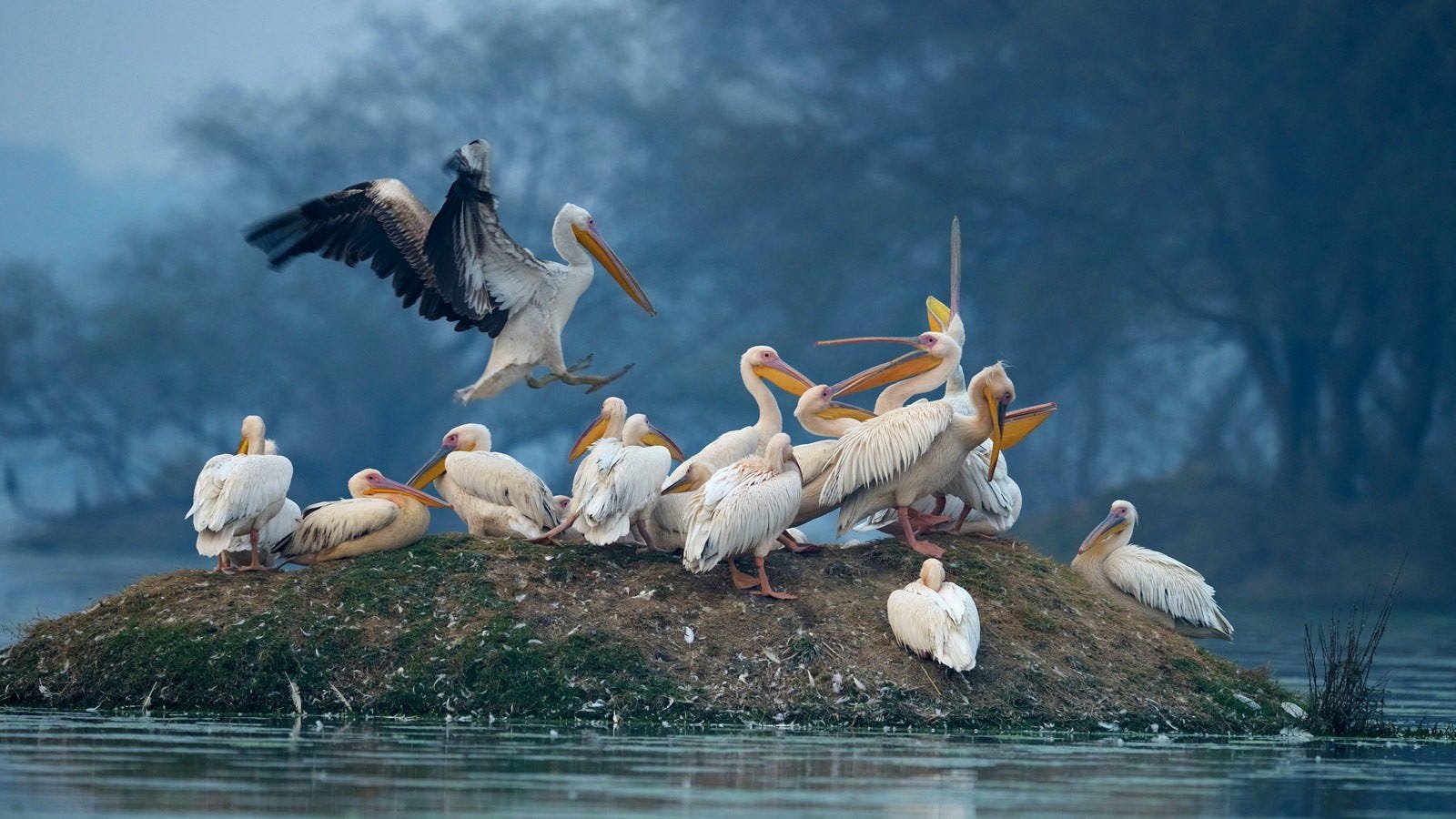
Kumbuk Villu is known for its rich birdlife, particularly water birds. Flocks of Spot-billed Pelicans, Little Cormorants, and Eurasian Spoonbills can be seen here, making it a must-visit location for bird watchers in
Wilpattu.
Palu Villu is a vital habitat for
both resident and migratory birds. It is particularly known for
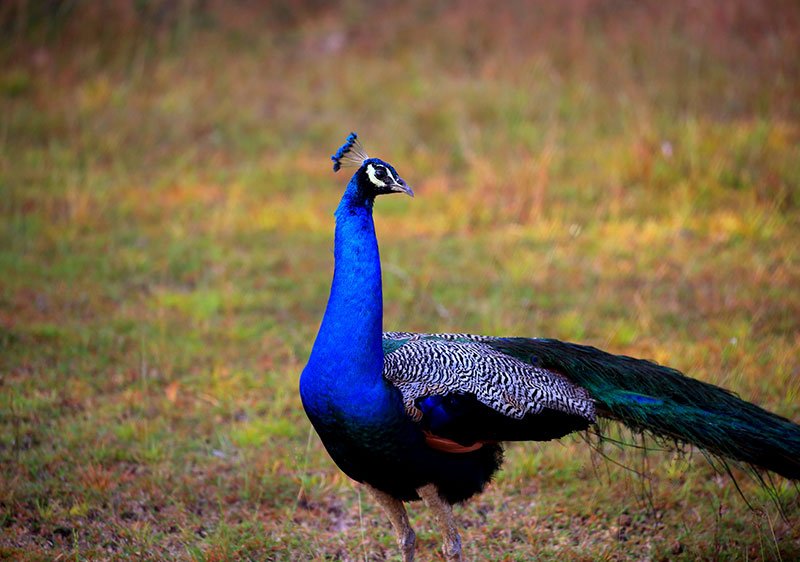
sightings of the Indian Peafowl and various species of herons and egrets, adding to the diversity of bird watching in Wilpattu.
These large water bodies attract numerous species of ducks, teals, and other waterfowl. They are also good locations to spot the majestic White-bellied Sea Eagle, enhancing the experience of bird watching in Wilpattu.
Wilpattu National Park plays a critical role in the conservation of Sri Lanka’s avifauna. The park’s management focuses on habitat preservation, anti-poaching measures, and research initiatives to monitor bird populations and their health. Efforts are also made to educate visitors about the importance of conservation and responsible bird watching practices in Wilpattu.
The best times for bird watching in Wilpattu are early morning and late afternoon when birds are most active. The soft light during these times also provides excellent opportunities for photography.
Carry a good pair of binoculars and a field guide specific to Sri Lankan birds. This will help you identify species and enhance your bird watching in Wilpattu experience.
Move quietly and patiently to avoid disturbing the birds. Wearing neutral-colored clothing can also help you blend into the surroundings.
Hiring a knowledgeable guide can greatly enhance your bird watching in Wilpattu experience. Local guides are familiar with the best spots and can help identify species by sight and sound.
Maintain a respectful distance from birds and their habitats. Do not attempt to feed or provoke them, as this can cause stress and disrupt their natural behavior.
A complete 2026 guide to UK casino dice games. Compare the best dice casinos, play craps and Sic Bo online, understand dice odds, bonuses, and UKGC safety. read the complete casino dice game UK guide
No UK-licensed casino can offer no ID verification in 2026. This guide explains why ID checks are mandatory, what offshore no-KYC casinos actually provide, the withdrawal risks, and the real brands that still market to UK players without full verification. read the no ID verification casino guide
A practical 2026 guide to casinos not on GamStop that promise instant withdrawals and no ID verification. Compare eight real offshore brands, learn which payment methods actually pay fast, and understand the legal risks before you deposit. read the full guide to casinos not on GamStop with instant withdrawals
A practical, editor-led guide to casino sites not registered with GamStop in the UK for 2026, covering safe brands, licences, bonuses, slots, live dealers, payments, and responsible play. read the complete 2026 guide to non-GamStop casino sites
UK-licensed casinos have banned credit cards since April 2020, but offshore non-GamStop sites still accept them. This guide covers the legal status, eight real credit card casino brands, risks, and safer alternatives. read the full guide to credit card casinos UK
Practical guide to the best UK casino sites accepting debit cards in 2026, with top operator rankings, payment speed tips, legal notes and responsible gambling advice. see the best debit card casino sites
A no-nonsense guide to UK casino sites that accept ecoPayz (Payz) in 2026. Compare licensed operators, bonus types, fees and withdrawal speeds before you deposit. read the full ecoPayz casino guide
Find the best casino sites that accept Jeton deposits and withdrawals for UK players in 2026, including comparison table, alternatives, and key safety notes. read our full Jeton casino guide for UK players
A practical rundown of UK casino sites that still accept Skrill deposits in 2026, with a comparison table, fee notes, and safer alternatives. read our guide to Skrill casino sites UK 2026
A no-nonsense guide to casino VIP programmes in the UK for 2026: how loyalty tiers actually work, which operators treat high rollers properly, and what you should demand before you deposit. read the full casino VIP programme guide